









In the heart of the Emilia-Romagna region, in the city of Reggio Emilia, there lies a small museum with a large significance.
In this place, in the year 1796, the flag was decided upon and signed for the first time, which would later become the Italian flag.

Even before Garibaldi and Vittorio Emanuele, in the beautiful hall with wooden balconies and marble, it was determined for the first time by four neighboring city-states that were then part of the Cispadane Republic: Bologna, Reggio Emilia, Modena, and Ferrara that their flag would, influenced by the French Revolution, consist of three colors.
Green – White – Red.
The flag, as a symbol of revolution and freedom, was brought to the Italian territory by Napoleon, and these colors were chosen for several reasons:
The first is that the red and white colors were the colors of the municipal symbol of Milan (a white cross on a red background), while green was the color of its municipal soldiers. During this time, Napoleon ruled Milan and rallied Italian soldiers to repel the Austrian enemy, giving them a flag with three stripes.
Secondly, later on, these colors would become the colors of the Italian legions that gathered soldiers from the Emilia-Romagna region to fight the Austrians, which is why the Senate of that area adopted these colors for its flag.
Initially, the stripes were horizontal.
Later on, various republics and monarchies began to adopt the flag with the three colors for their own flags, each adding its own emblem to the flag itself.
With the unification of Italy, the flag was adopted with the addition of the crown as the symbol of the royal house – Savoy.
Finally, in 1947, the Constitution of the Italian Republic stated, after the end of the monarchy, that:
“The flag of the Italian Republic is a flag of three colors: green, white, and red in three equal vertical stripes.”
The meaning of the three colors: Green: the color of our plains. White: the color of our peaks. Red: the blood of the fallen.

Over the years, some shades of the colors faded and became similar to the Irish flag. Therefore, in 2003, the shades of the flag were established as bright green, creamy white, and tomato red.
Amendments in 2006 made the shades soft green, bright white, and burgundy red.
In the past, the Italian patriot Francesco D’Alaunagro described the colors of the flag as the white of the Alps, the red of the two volcanoes, and the green of the Lombard plains.
During the dream of unification, the colors represented the following inspirations: green for hope, white for faith, and red for love.
The museum narrates the history of the flag, the decision-making processes, documents from that time, and even includes authentic flags found from earlier periods of city-states during the medieval era.
Everyone can interpret what the colors of the flag mean to them; we will entice you with five dishes inspired by the tricolor:
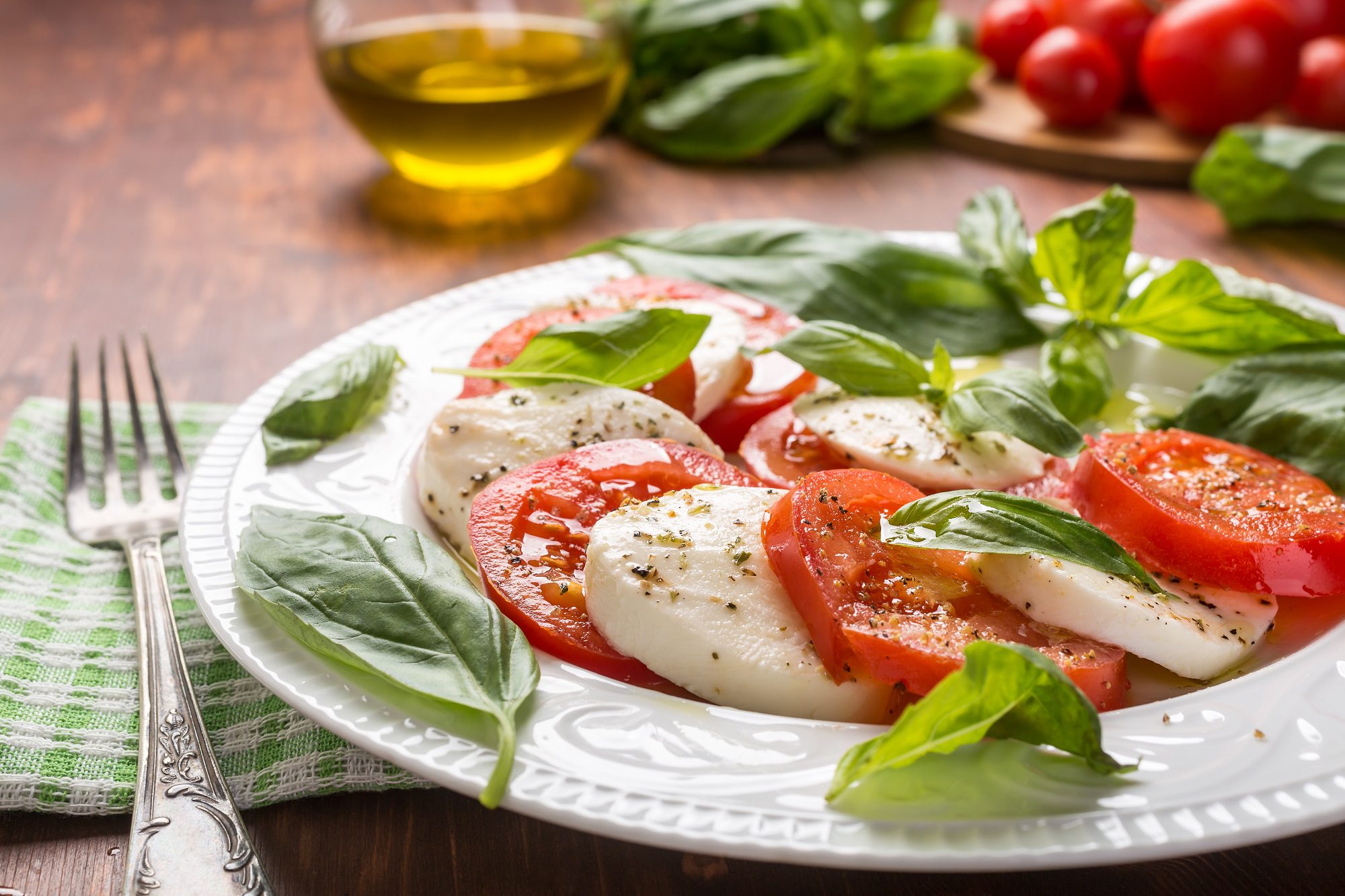
Salad: the famous Caprese made of mozzarella cheese, tomatoes, and basil leaves.
Stuffed: tomatoes stuffed with white rice and green peas.
Pasta: rigatoni with cherry tomatoes, zucchini, and pine nuts.
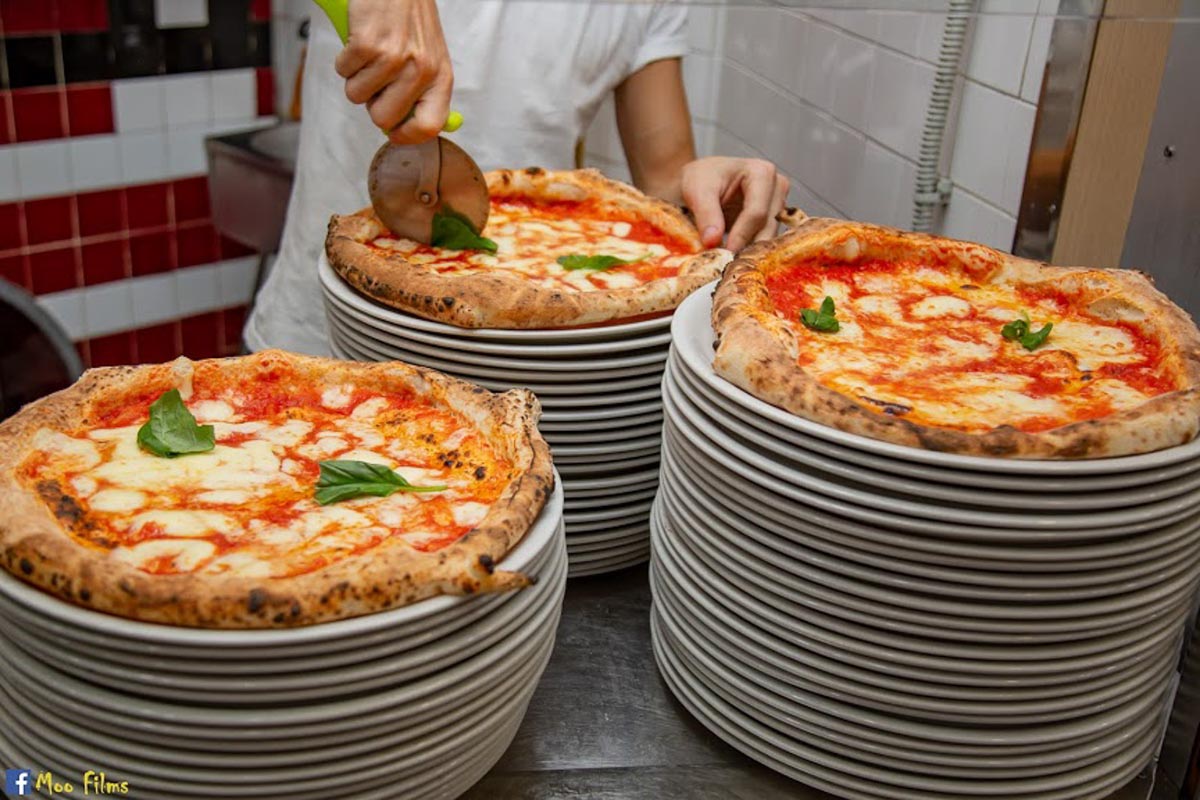
Margherita pizza: tomato, mozzarella, and basil.
Dessert: strawberry, pistachio, and lemon ice cream.